
Tropical Pitcher Plant


Tropical Pitcher Plant (Nepenthes)
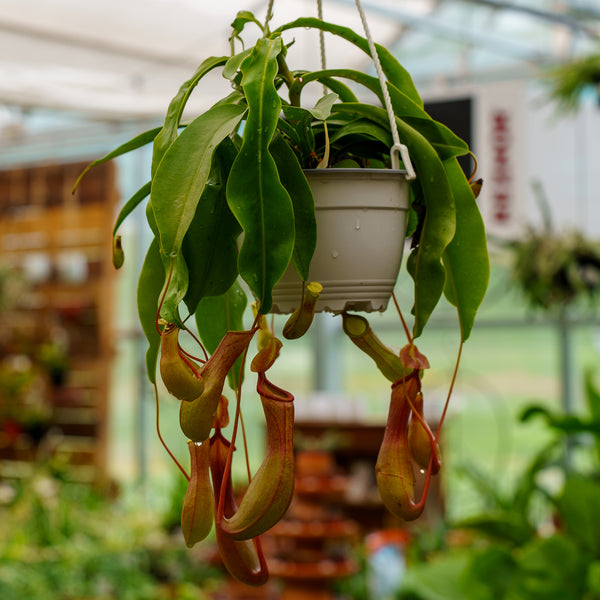
Tropical Pitcher Plant brings a one-of-a-kind look to indoor spaces, with hanging pitchers that feel equal parts sculpture and living curiosity. It adds color, texture, and motion to plant displays, and it can help capture small insects when conditions are right. Many Nepenthes stay manageable in a pot for years, especially when trained on a small support and given bright, filtered light. Keep it warm, use clean water, and provide an airy mix, and it will reward you with healthier growth and more consistent pitchering.
Distinctive Features
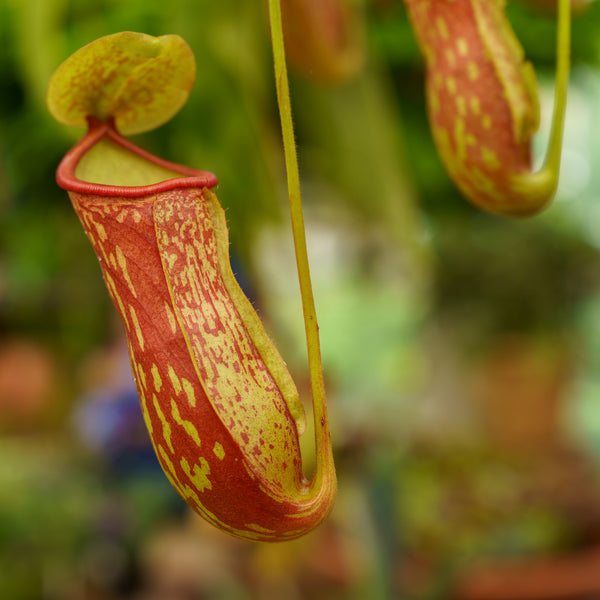
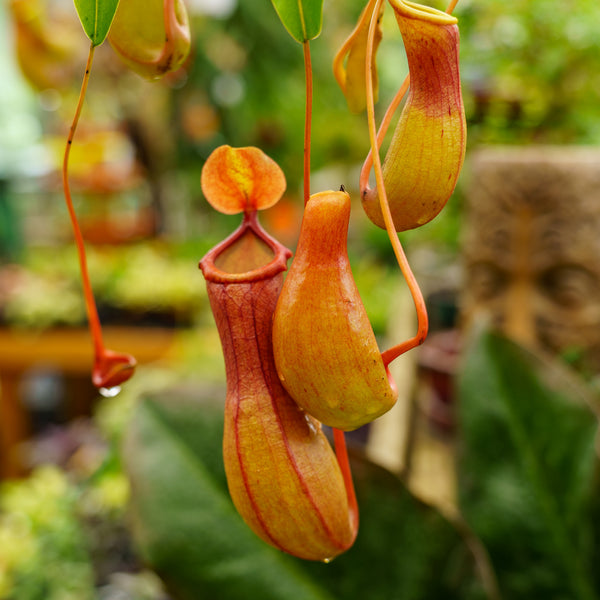
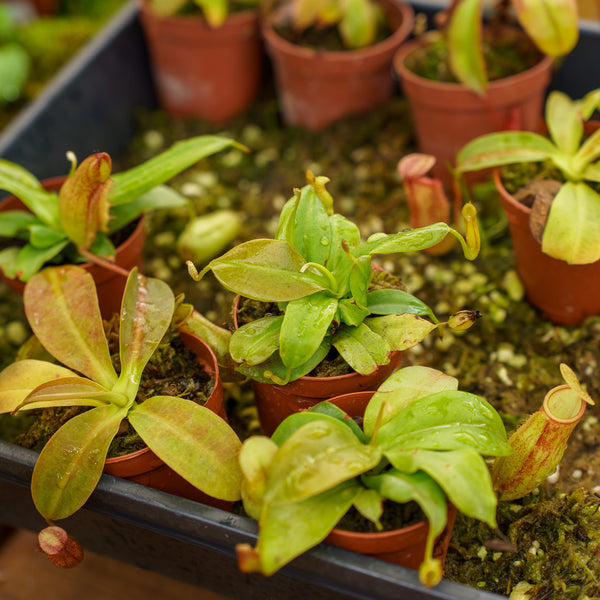
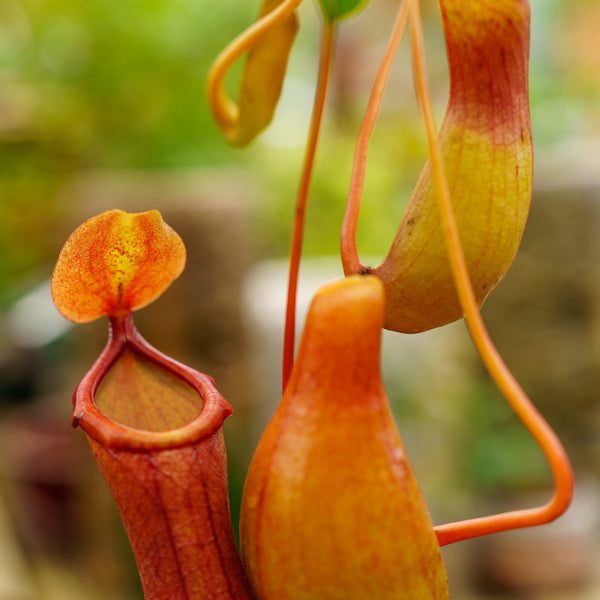
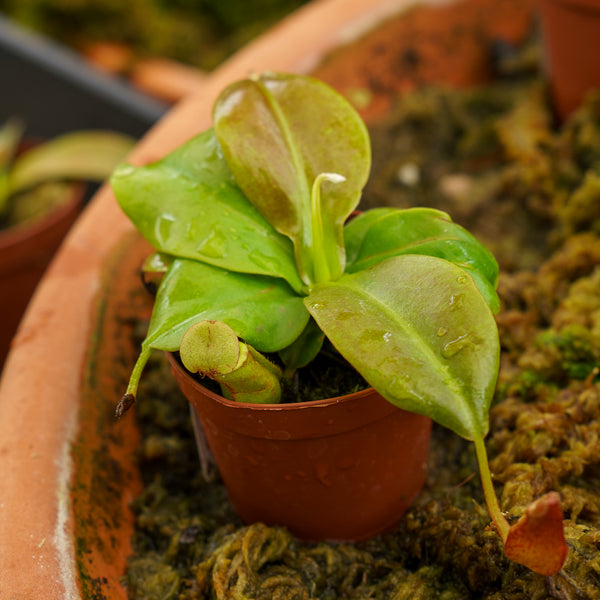
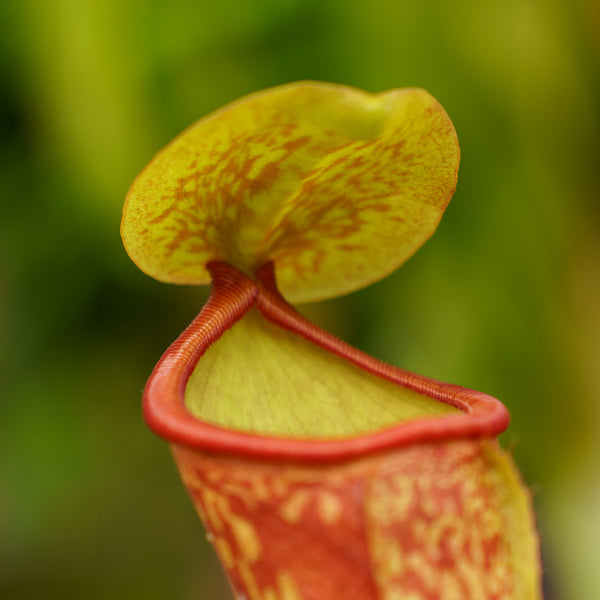
Nepenthes are tropical carnivorous vines that produce pitchers at the ends of tendrils, with each pitcher acting as a specialized trap. Pitcher size and color vary widely by species and hybrid, but the classic form includes a flared rim and a lid that helps manage rain and humidity around the opening. Leaves are typically smooth and green, creating a clean backdrop for the pitchers to stand out. As the plant matures it can begin to vine, and many types will produce larger upper pitchers when given support and steady conditions.
Growing Conditions
- Sun: Bright, indirect light is ideal, with gentle morning sun acceptable if heat is controlled and leaves are not scorching.
- Soil: Use a low-nutrient, fast-draining carnivorous mix such as long-fiber sphagnum with perlite or orchid bark so roots stay airy.
- Water: Keep the medium evenly moist using rain, distilled, or reverse osmosis water, and avoid mineral-heavy tap water.
- USDA Zones: USDA Zones 11 to 12 outdoors, and elsewhere grown as a houseplant or greenhouse plant.
- Temperature: Most common indoor types prefer warm days and mild nights, while highland types need cooler nights for long-term performance.
- Humidity: Moderate to high humidity supports better pitcher formation, especially during dry indoor seasons.
Ideal Uses
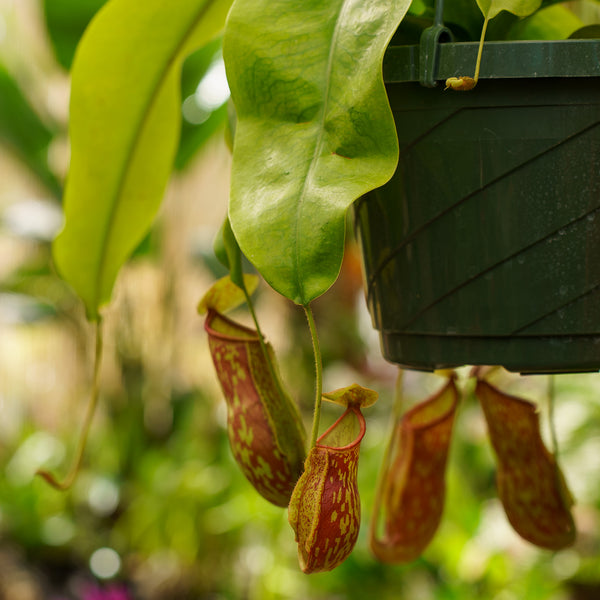
- Focal Point: Feature it in a hanging basket or elevated pot where pitchers can drape freely and become the main conversation piece.
- Bright Indoor Displays: Place near a bright window or under strong grow lights to keep growth compact and encourage pitchering.
- Terrariums and Cabinets: Use in controlled environments where humidity and airflow can be kept steady for more reliable results.
- Sunrooms: Grow in warm, bright sunrooms where light is strong but filtered, supporting richer pitcher color.
- Collector Shelves: Add to specialty plant collections for a distinctive form that looks designed without needing flowers.
Low Maintenance Care
- Watering: Maintain even moisture and do not allow the mix to dry out fully, but also avoid constantly waterlogged conditions.
- Feeding: Do not fertilize the soil heavily, and let the plant trap naturally, using only very light, occasional feeding if you are experienced.
- Support: Provide a small stake or trellis as it vines to keep the plant tidy and encourage stronger pitcher display.
- Grooming: Trim dead pitchers and browned leaves to keep the plant clean and to direct energy into new growth.
- Pests: Watch for common indoor pests like mealybugs, aphids, and spider mites, especially when humidity is low.
Why Choose Tropical Pitcher Plant?
- Unmatched Form: Pitchers deliver a truly different look that stands out from typical foliage plants.
- Living Function: Carnivorous traps add a practical and fascinating layer to indoor plant care.
- Display Flexibility: Works in hanging baskets, on stands, or trained upward depending on your space.
- Year-Round Interest: Provides ongoing visual impact through foliage and pitchers instead of a short bloom window.
- Collector Friendly: Offers a wide range of types and looks, making it easy to find a form that fits your conditions.
If you want a plant that feels like living design, Tropical Pitcher Plant is a strong choice. Prioritize bright, filtered light, an airy low-nutrient mix, and clean water, and aim for steady warmth and humidity. With those basics in place, Nepenthes can become a reliable showpiece that keeps producing pitchers and keeps your display feeling fresh.
OUR SIZING
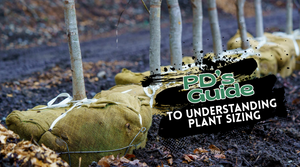
Not sure what 2 inch B&B or 30 Gallon Clump really means? This guide breaks down all our plant size terms so you know exactly what to expect, whether you're ordering online or picking up at our nursery. From caliper measurements to container volumes, we've decoded our system to help you shop with confidence.

Plant Detectives Shipping Guide
Nationwide plant shipping made easy. Learn how we ship trees, shrubs, annuals and perennials. No order too big or too small. Fast, careful, and contractor-friendly.