
Spicebush


Spicebush (Lindera benzoin)
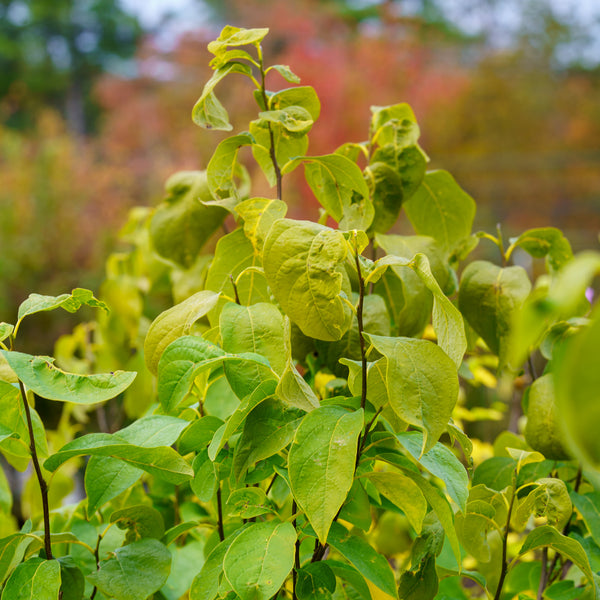
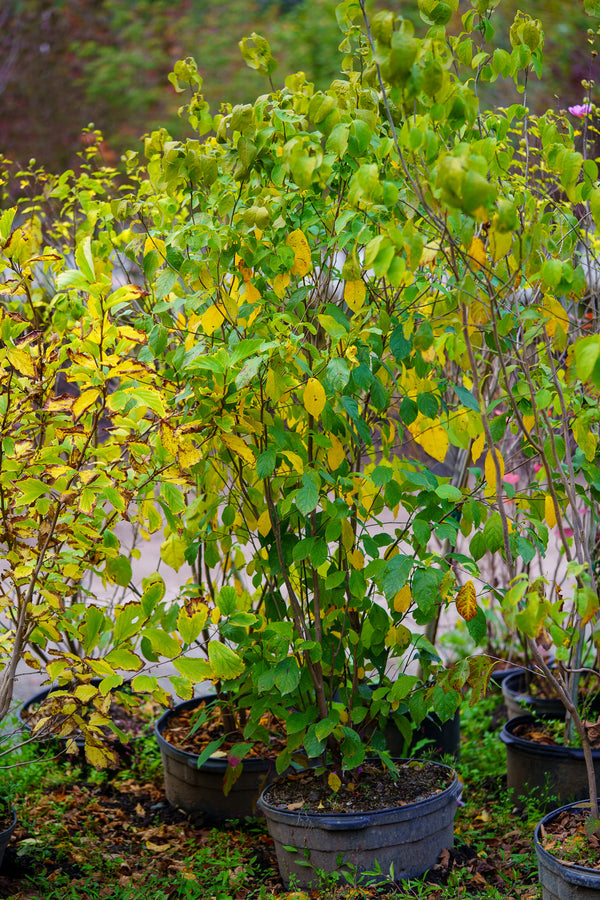
Spicebush is a native understory shrub that brings early-season color and a calm, woodland look to shaded landscapes. Also known as northern spicebush, it blooms very early with small yellow flowers that glow along bare stems before the leaves fully emerge. The foliage is aromatic when crushed, and the plant settles into a full, rounded habit that helps borders feel layered and complete. Female plants can produce bright red berries in fall when a male plant is nearby for pollination.
Distinctive Features
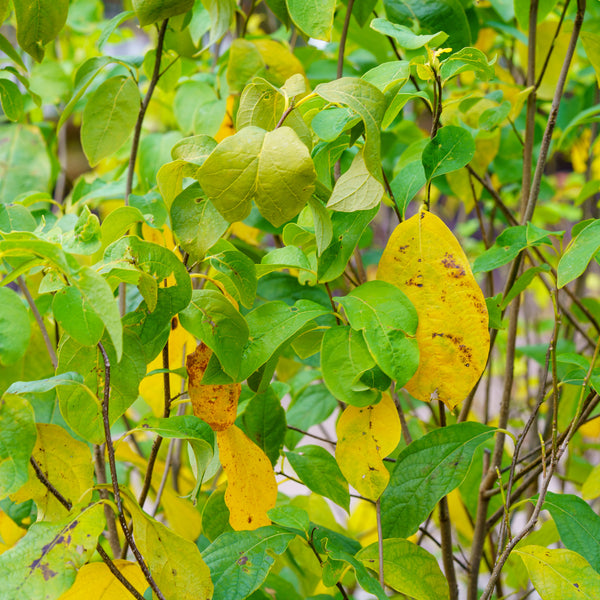
Clusters of tiny yellow flowers appear in early spring, often before the leaves, creating a soft haze of color along the branches. Leaves are medium green and release a spicy fragrance when bruised, and fall color is typically clear yellow. Spicebush is typically dioecious, meaning male and female flowers occur on separate plants, and the showy red fruit forms on female plants after pollination. Its naturally rounded, multi-stem habit fits beautifully into woodland edges, moist slopes, and native mixed borders.
Growing Conditions
- Sun: Part shade to full shade, and it can grow in full sun with consistent moisture.
- Soil: Moist, organically rich, well-drained soil, and it tolerates wet sites better than many shrubs.
- Water: Medium, keep evenly moist during establishment, then water during extended dry periods.
- USDA Zones: Hardy in zones 4 to 9.
- Mature Size: Typically 6 to 12 feet tall and 6 to 12 feet wide.
Ideal Uses
- Focal Point: Place where early spring flowers and fall berries can be appreciated along a main path or garden view.
- Woodland Edge: Use as a native understory layer beneath taller trees for a natural, finished look.
- Native Plantings: Blend into native borders and habitat plantings for structure, seasonal interest, and ecological value.
- Moist Areas: Plant near streams, low spots, or rain garden edges where soil stays more consistently moist.
- Screening: Mass in groups for a soft, informal screen that reads natural rather than formal.
Low Maintenance Care
- Pruning: Prune lightly after flowering if needed, and thin older stems at the base to maintain a healthy, open framework.
- Watering: Water regularly the first season and during drought, especially in sunnier exposures.
- Mulching: Mulch with shredded leaves or bark to conserve moisture and build woodland-style soil over time.
- Fruit Set: Plant at least one male near female plants if you want reliable berry production.
- Transplanting: Choose the planting location carefully, since established plants are less tolerant of moving.
Why Choose Spicebush?
- Early Spring Interest: Yellow flowers arrive before many shrubs wake up, adding an early-season lift.
- Red Fall Berries: Female plants can produce bright red fruit for fall color and wildlife value.
- Aromatic Foliage: Leaves add a sensory layer with a spicy fragrance when brushed or crushed.
- Shade Performance: Thrives in part shade to full shade where many shrubs struggle to stay full.
- Habitat Value: Supports native landscapes and can serve as a host plant for specialty butterflies.
Spicebush is most effective when you treat it like a woodland cornerstone, give it consistent moisture, dappled light, and room to form a rounded outline. Add a pollinator-friendly understory around it, and it will look purposeful even when not in bloom. If fall berries are part of your plan, include both male and female plants so the planting delivers the full seasonal payoff.

Plant Detectives Shipping Guide
Nationwide plant shipping made easy. Learn how we ship trees, shrubs, annuals and perennials. No order too big or too small. Fast, careful, and contractor-friendly.

OUR SIZING
Not sure what 2 inch B&B or 30 Gallon Clump really means? This guide breaks down all our plant size terms so you know exactly what to expect, whether you're ordering online or picking up at our nursery. From caliper measurements to container volumes, we've decoded our system to help you shop with confidence.