
Crocus
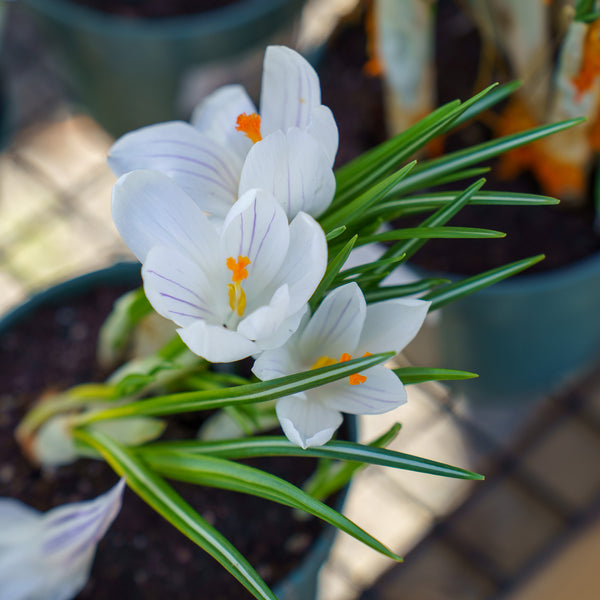
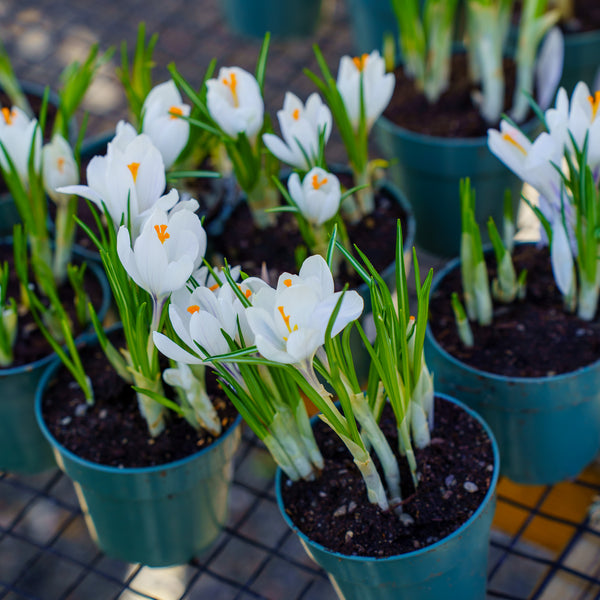
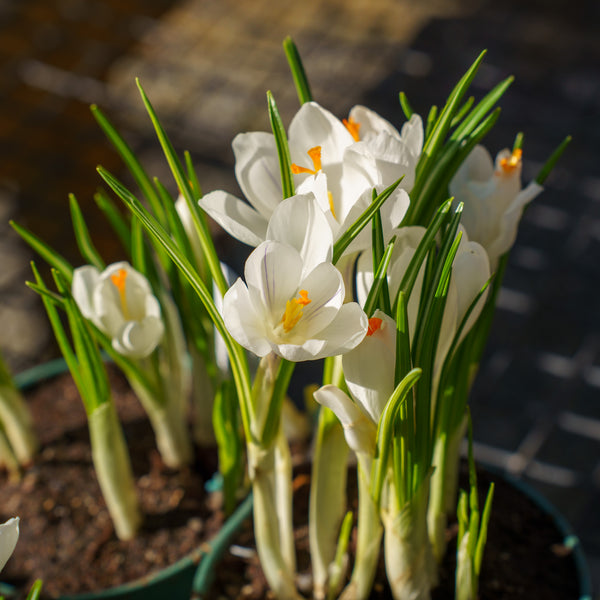
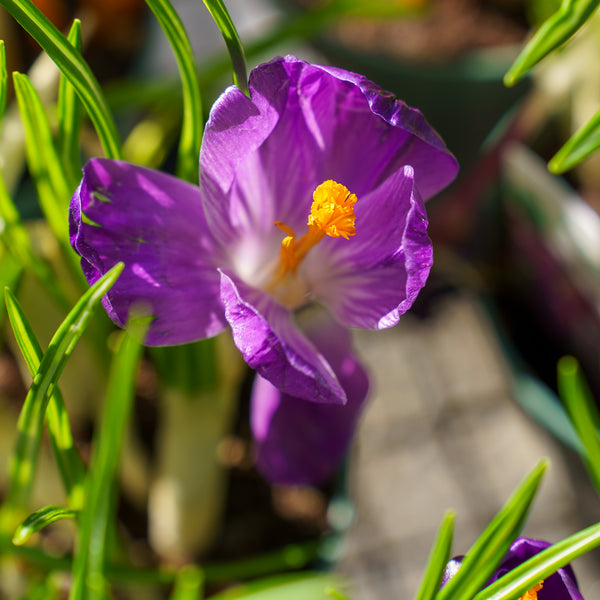
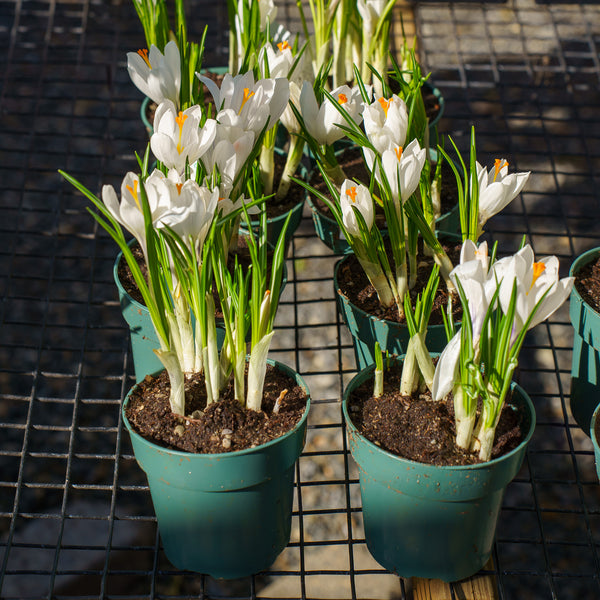
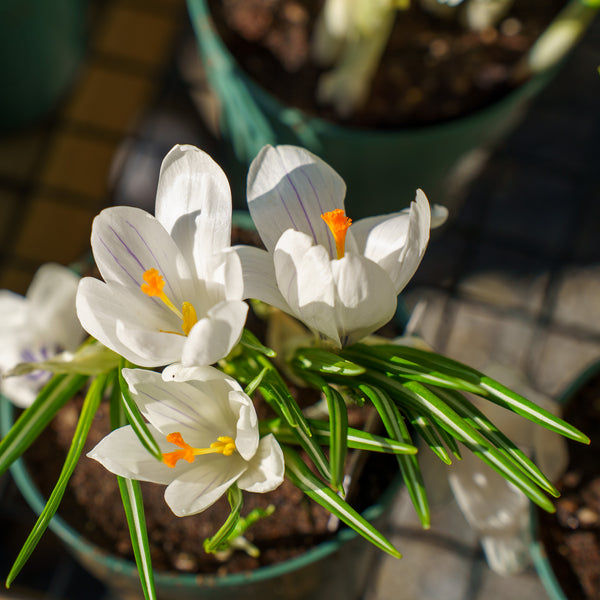


Crocus (Crocus spp.)
Crocus is one of the earliest signs that spring is on the way, popping up with bright, cup-shaped flowers when the garden still feels half asleep. These small corm-grown perennials are easy to naturalize, multiplying over time into cheerful drifts that look established and intentional. They are perfect for adding early color in lawns, borders, and under deciduous trees before summer shade fills in. With sun and good drainage, crocus returns year after year with minimal effort.
Distinctive Features
Crocus is prized for early-season blooms in shades that commonly include purple, lavender, white, and yellow, often with contrasting throats or striping depending on the type. Flowers open in sun and tend to noteably close at night or during cloudy weather, adding a little daily rhythm to the garden. Narrow, grass-like foliage emerges with the blooms and then fades as the plants go dormant in late spring to early summer. Many crocus types naturalize well, forming larger colonies as the corms multiply.
Growing Conditions
- Sun: Full sun to part shade, with best flowering in brighter light.
- Soil: Well-drained soil is essential, and gritty or sandy soils are ideal.
- Water: Moderate moisture in fall and spring, then avoid wet soils as plants go dormant.
- USDA Zones: Commonly 3 to 8 for many widely grown spring-blooming types, with hardiness varying by species.
- Mature Size: Typically about 3 to 6 inches tall and about 3 to 6 inches wide in clumps, depending on species and variety.
- Notable Traits: Naturalizes by corm multiplication, and early blooms provide important seasonal interest.
Ideal Uses
- Focal Point: Plant in a dense drift to create a bright early-spring focal point that reads like a carpet of color.
- Naturalizing Lawns: Great for lawns where foliage can be left to yellow before mowing.
- Under Trees: Ideal beneath deciduous trees and shrubs for color before canopy leaf-out.
- Rock Gardens: Fits beautifully in gravel and stone plantings where drainage is sharp.
- Path Edges: Lines walkways with early color and a clean, low profile.
Low Maintenance Care
- Planting: Plant corms in fall at a depth and spacing suited to their size, placing them in groups for the best visual impact.
- Foliage Timing: Let foliage yellow and die back naturally before cutting or mowing to help recharge the corms.
- Watering: Water during establishment and dry spells in active growth, then keep soil drier during dormancy.
- Feeding: Use a light bulb fertilizer if needed, but avoid heavy feeding that can reduce long-term vigor.
- Division: Divide crowded clumps every few years if flowering declines or colonies become dense.
Why Choose Crocus?
- Early Bloom: Brings color when few other plants are flowering.
- Naturalizing Power: Multiplies into drifts that look more impressive each year.
- Small-Space Friendly: Delivers high impact without taking up much room.
- Design Versatility: Works in lawns, borders, rock gardens, and under trees.
- Low Effort: Needs very little care once planted in the right spot.
If you want spring to feel like it starts earlier, crocus is one of the simplest, most rewarding ways to make that happen. Plant it where drainage is reliable and where you can leave the foliage alone until it fades naturally. Use generous groupings rather than single plants to get that sweeping, finished look. Over time, those early blooms become a familiar seasonal marker that makes the whole landscape feel more alive.

Plant Detectives Shipping Guide
Nationwide plant shipping made easy. Learn how we ship trees, shrubs, annuals and perennials. No order too big or too small. Fast, careful, and contractor-friendly.

OUR SIZING
Not sure what 2 inch B&B or 30 Gallon Clump really means? This guide breaks down all our plant size terms so you know exactly what to expect, whether you're ordering online or picking up at our nursery. From caliper measurements to container volumes, we've decoded our system to help you shop with confidence.