
Corkys Honey Delight Fig


Corkys Honey Delight Fig (Ficus carica 'Monandersen')
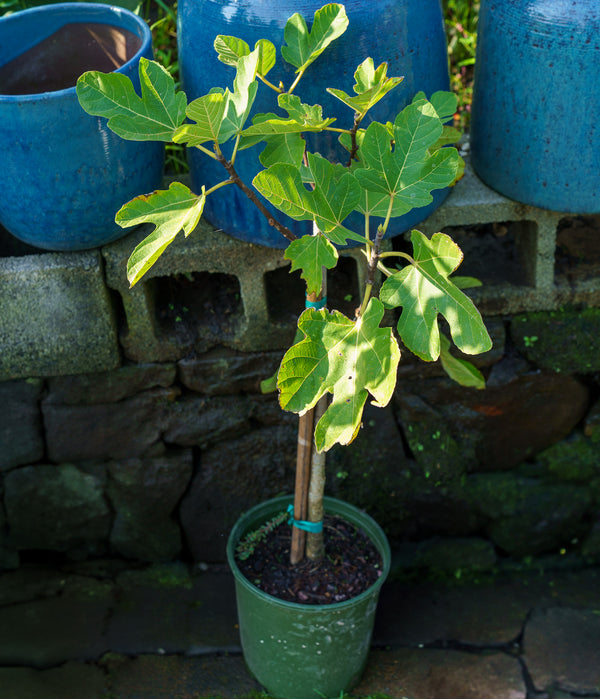
Corkys Honey Delight Fig is a compact, productive fig that delivers sweet fruit and a lush, Mediterranean look in one easy plant. The bold, lobed leaves create a full canopy that looks right at home near patios, sunny beds, and edible gardens. It is known for heavy crops of green-skinned figs with rich, honey-like flavor, giving you fresh eating and preserving options through the warm season. With routine pruning, it stays a practical size for home gardens and performs especially well in containers.
Distinctive Features
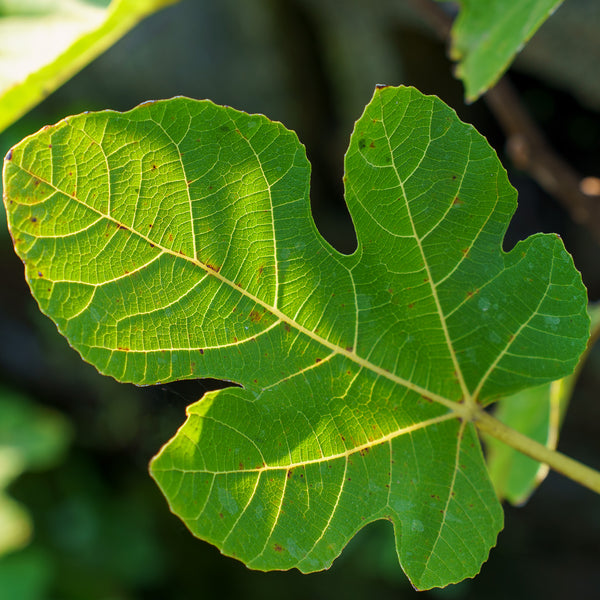
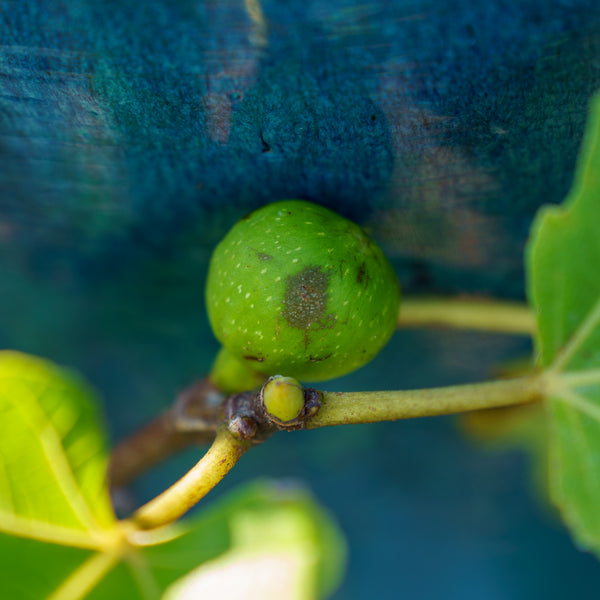
This variety is valued for its semi-dwarf habit, vigorous growth, and the ability to produce two crops in many climates, typically an earlier crop followed by a main crop later in the season. The fruit is usually green to greenish-yellow on the outside with sweet, amber-toned flesh and a honey-forward flavor. Large, deeply lobed leaves add a tropical texture and create dappled shade without feeling heavy. Flowers are not showy, since figs flower internally, so the main ornamental value comes from foliage and the fruit display.
Growing Conditions
- Sun: Full sun for best growth and fruit production.
- Soil: Well-drained soil, and avoid sites or containers that stay wet.
- Water: Medium, water regularly during establishment and during fruit development, then allow the soil to dry slightly between deep waterings.
- USDA Zones: 7 to 10, and grown as a container plant in cooler zones.
- Mature Size: About 10 to 12 feet tall and 10 to 12 feet wide, smaller with pruning or in containers.
- Habit: Multi-stemmed, spreading shrub or small tree with a dense, leafy canopy.
- Foliage: Large, lobed green leaves that create a bold, tropical texture.
- Flowers: Inconspicuous, with ornamental value focused on foliage and fruit.
- Fruit: Green to greenish-yellow figs with sweet, amber flesh, often in two crops.
Ideal Uses
- Focal Point: Use as a specimen in a sunny spot where the bold leaves and hanging fruit can define a patio or garden view.
- Patio Containers: A natural fit for large pots, keeping the tree portable and easy to manage.
- Edible Landscape: Blend into ornamental beds so the harvest feels integrated, not separate.
- Home Orchard: Plant as a productive fruiting tree for fresh eating, drying, and preserves.
- Warm Wall Planting: Site near a sheltered, sunny wall to support ripening and reduce stress in cooler climates.
Low Maintenance Care
- Pruning: Prune in late winter to control size, remove weak wood, and thin crowded stems for better air flow and fruiting.
- Watering: Deep water during establishment and during hot dry spells, especially while fruit is sizing up.
- Mulching: Mulch over the root zone to conserve moisture and reduce weeds, keeping mulch off the trunks.
- Feeding: Use compost or a light feeding in spring, and avoid heavy nitrogen that pushes leaves over fruit.
- Winter Care: In cooler zones, overwinter containers in a protected location and reduce watering when the plant is dormant.
Why Choose Corkys Honey Delight Fig?
- Sweet Flavor: Honey-forward figs with amber flesh are excellent for fresh eating and preserving.
- Strong Production: Known for bountiful crops, often with an early crop and a main crop.
- Compact Habit: Semi-dwarf growth fits smaller gardens and stays manageable with pruning.
- Container Friendly: Performs well in large pots for patios and small-space growing.
- Ornamental Texture: Bold foliage adds a lush, tropical look all summer long.
If you want a fig that looks great and produces heavily in a manageable footprint, Corkys Honey Delight Fig is a strong choice. Give it full sun, good drainage, and steady moisture while it establishes, and it can reward you with lush growth and sweet fruit season after season.

Plant Detectives Shipping Guide
Nationwide plant shipping made easy. Learn how we ship trees, shrubs, annuals and perennials. No order too big or too small. Fast, careful, and contractor-friendly.

OUR SIZING
Not sure what 2 inch B&B or 30 Gallon Clump really means? This guide breaks down all our plant size terms so you know exactly what to expect, whether you're ordering online or picking up at our nursery. From caliper measurements to container volumes, we've decoded our system to help you shop with confidence.