
Corkscrew Willow
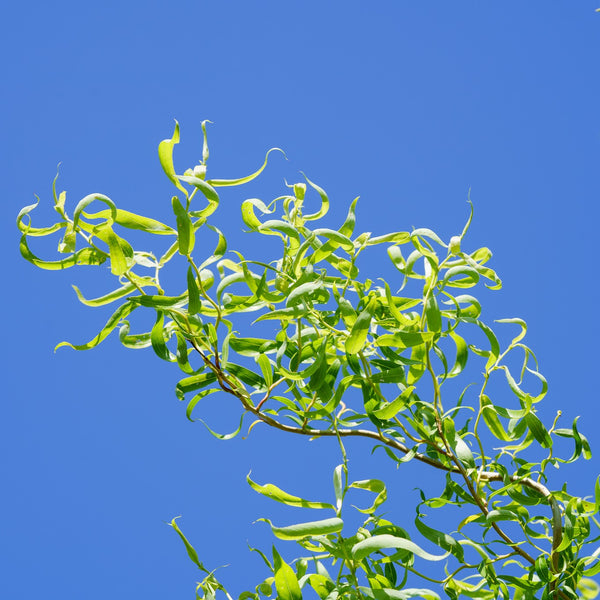
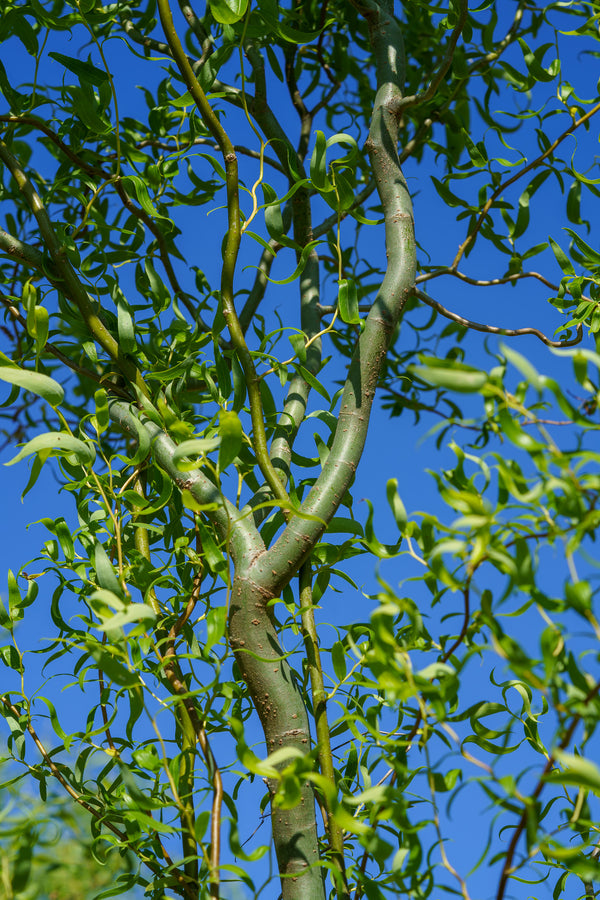
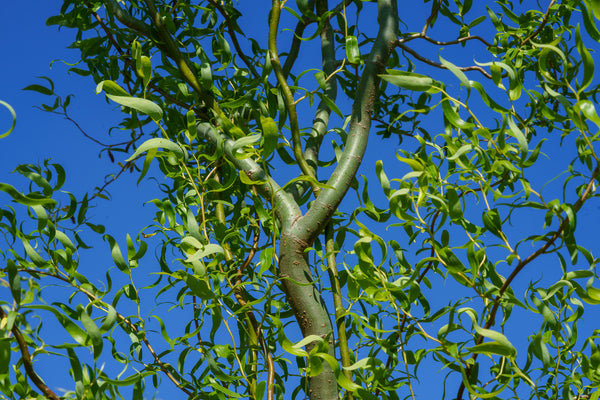
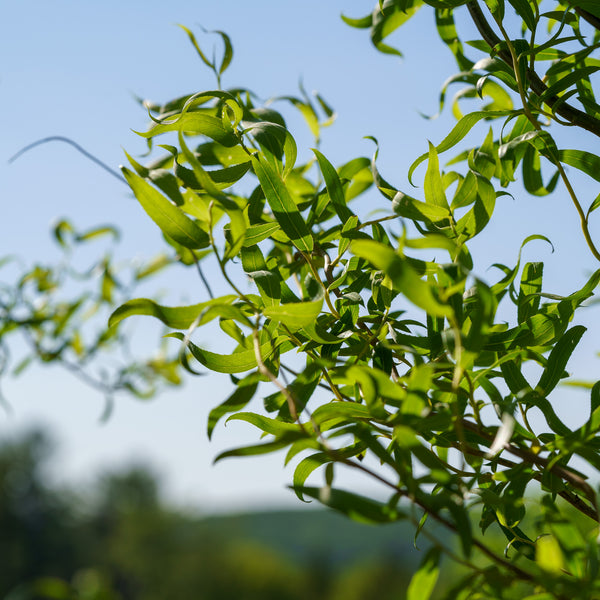


Corkscrew Willow (Salix matsudana 'Tortuosa')
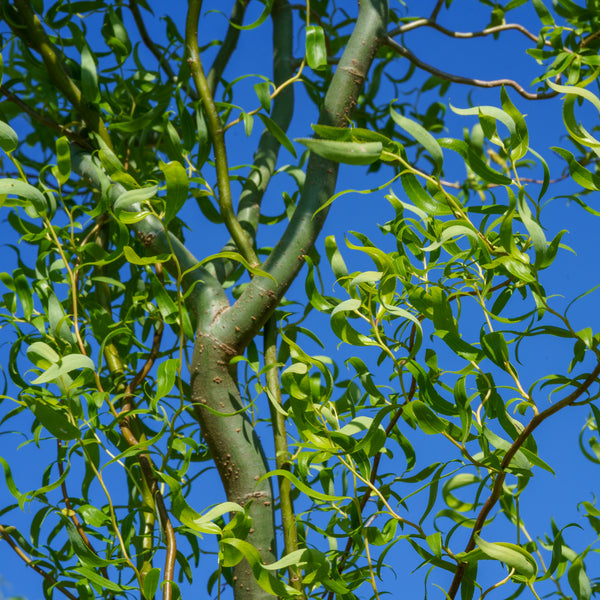
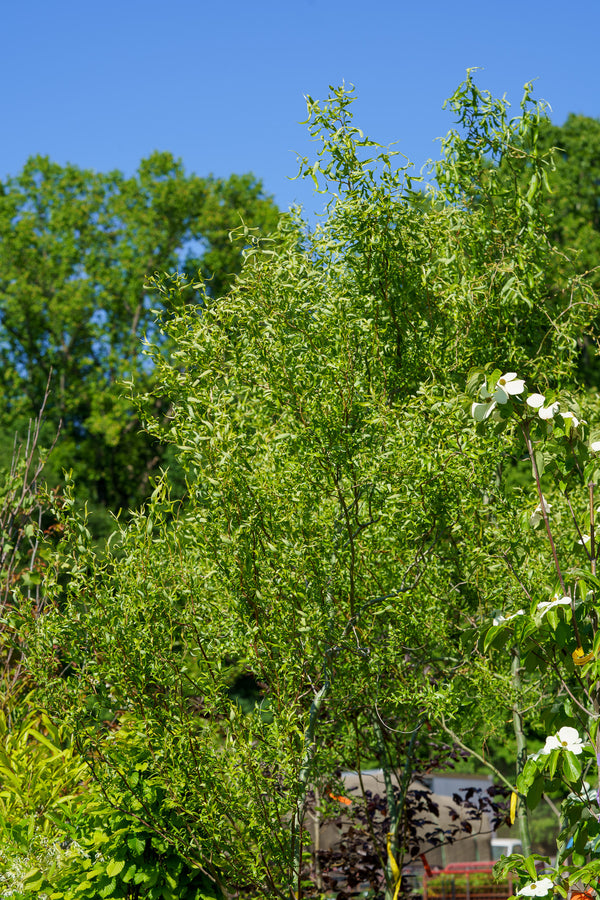
Corkscrew Willow adds instant personality to the landscape with twisting, curly branches that look sculptural in every season. It grows quickly into a shade-giving tree that helps fill space, soften property lines, and create a more established feel. The contorted stems are especially striking in winter, and cut branches are great for arrangements and seasonal decor. If you want a fast-growing tree with built-in texture and movement, this one delivers strong visual payoff.
Distinctive Features
This deciduous willow is best known for its corkscrew branches and curled twigs, with the twisting form most noticeable after leaves drop. Narrow, green leaves create a light canopy in summer and can turn yellow in fall. In late winter to early spring, it produces small catkins that are usually not showy compared to the branch structure. The overall habit is upright and spreading, forming an irregular, artistic silhouette that stands out from more typical shade trees.
Growing Conditions
- Sun: Full sun to part sun for best growth and strongest branch character.
- Soil: Moist, well-drained soil is ideal, and it tolerates heavier soils and periodically wet sites.
- Water: Prefers consistent moisture, especially while establishing, and appreciates supplemental watering during drought.
- USDA Zones: Grows well in zones 5 to 8.
- Mature Size: Typically reaches about 20 to 30 feet tall and 10 to 15 feet wide.
- Habit: Upright to spreading tree with contorted, twisting branches and an irregular crown.
Ideal Uses
- Focal Point: Use it as a focal point where the twisting winter branches can be seen from windows and walkways.
- Specimen Tree: Plant as a stand-alone accent in lawns or large beds to highlight the unique branch form.
- Back Border: Place it toward the back of the landscape to add height, texture, and quick canopy development.
- Cut Branch Harvest: Grow it where you can easily cut curly stems for indoor arrangements and seasonal displays.
- Moist Areas: Use it in sites with more consistent moisture where many other trees struggle to establish well.
Low Maintenance Care
- Pruning: Prune in late winter or right after catkins if needed to shape, remove weak wood, and encourage fresh, curly stems.
- Watering: Water deeply during the first year and during prolonged dry spells to reduce stress and dieback.
- Mulching: Mulch the root zone to conserve moisture and reduce weeds, keeping mulch a few inches away from the trunk.
- Monitoring: Watch for typical willow issues like insects and branch dieback and remove affected wood promptly.
- Placement: Give it room and avoid planting too close to drainage fields, septic areas, or water lines.
Why Choose Corkscrew Willow?
- Winter Interest: Twisting branches provide strong off-season texture when most trees look plain.
- Fast Growth: Quick canopy development helps add shade and structure in less time.
- Design Texture: Curly stems add movement and a more artistic look to the landscape.
- Cut Stem Value: Curled branches are useful for arrangements, wreaths, and seasonal decor.
- Moisture Tolerance: Performs well in consistently moist soils compared to many common shade trees.
Corkscrew Willow is a practical, fast-growing tree with an unmistakable look that brings year-round character to the yard. With sun, steady moisture, and occasional pruning, it develops into a bold specimen that adds shade, texture, and seasonal interest. Plant it with enough space to mature, and let the twisting branch structure do the visual work for you.

Plant Detectives Shipping Guide
Nationwide plant shipping made easy. Learn how we ship trees, shrubs, annuals and perennials. No order too big or too small. Fast, careful, and contractor-friendly.

OUR SIZING
Not sure what 2 inch B&B or 30 Gallon Clump really means? This guide breaks down all our plant size terms so you know exactly what to expect, whether you're ordering online or picking up at our nursery. From caliper measurements to container volumes, we've decoded our system to help you shop with confidence.