
Sourwood


Sourwood (Oxydendrum arboreum)
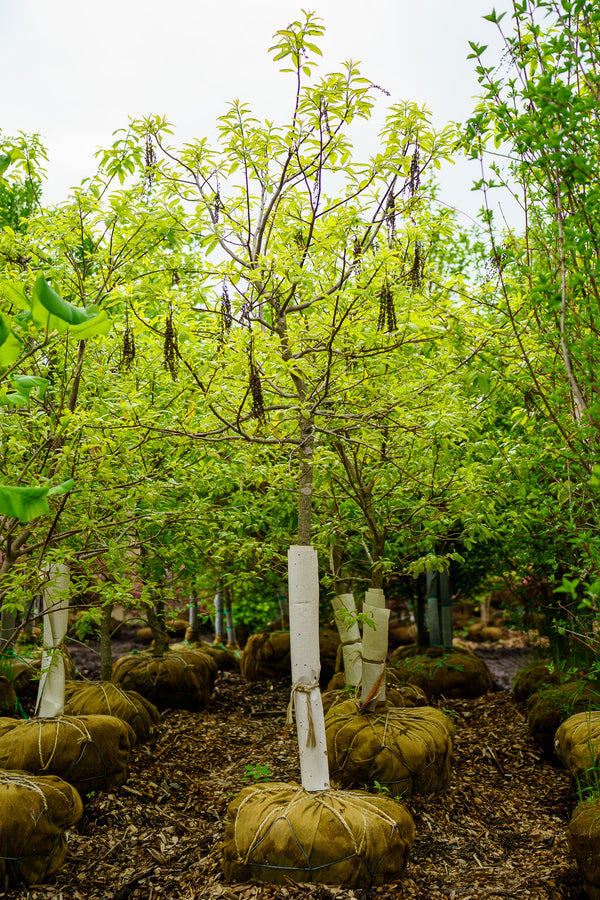
Sourwood is a small to medium deciduous tree prized for its summer bloom and some of the best fall color you can bring into an eastern landscape. It flowers when many trees are finished, filling the canopy with airy clusters of white, bell-shaped blooms that draw pollinators. The glossy green leaves turn vivid shades of red to reddish-purple, giving you a true seasonal payoff. It is an excellent choice for gardeners who want a distinctive native tree with a refined, understory feel.
Distinctive Features
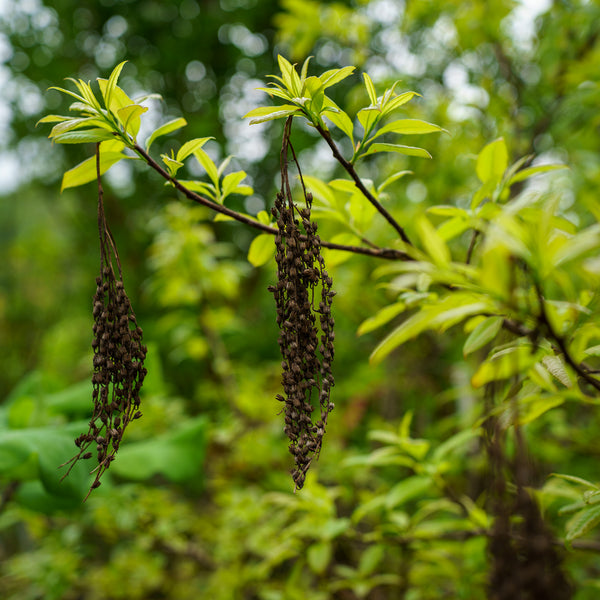
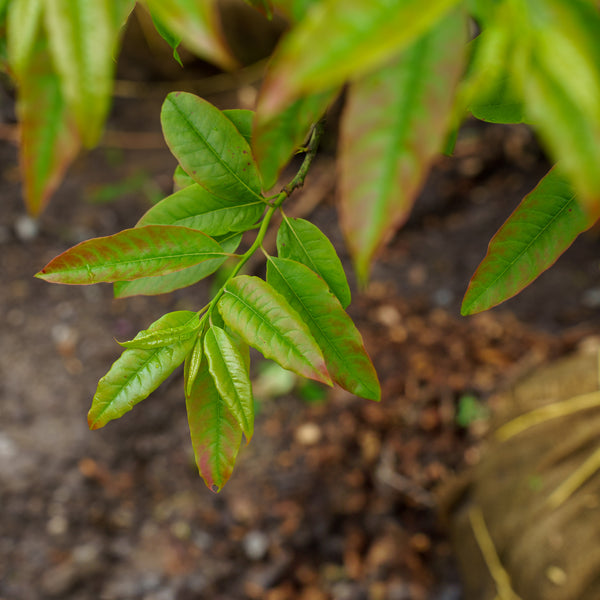
In early to mid-summer, Sourwood produces drooping panicles of fragrant, urn-shaped white flowers that resemble tiny bells, followed by small dry seed capsules that can add subtle late-season and winter texture. The foliage is clean and glossy through summer, then shifts to brilliant red and reddish-purple fall color, often earlier than many surrounding trees. Bark becomes more textured with age, adding winter character even after leaf drop. This tree prefers acidic soil and can be challenging in compacted, alkaline, or polluted urban sites, so thoughtful placement makes a noticeable difference.
Growing Conditions
- Sun: Full sun to partial shade, with best flowering and fall color in full sun.
- Soil: Acidic, moist, organically rich, well-drained soil is ideal, and avoid alkaline or poorly drained sites.
- Water: Medium, keep consistently moist during establishment and water during extended dry periods.
- USDA Zones: 5 to 9.
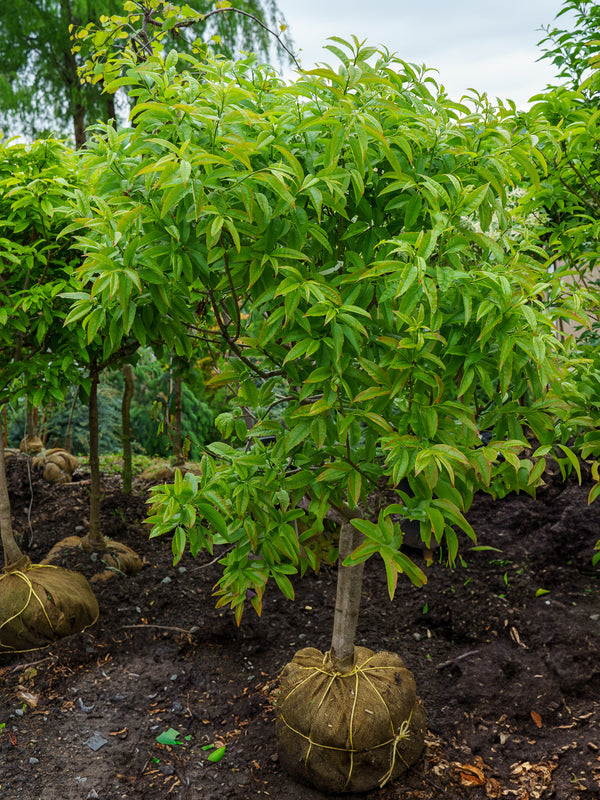
- Mature Size: About 20 to 35 feet tall and 15 to 25 feet wide, sometimes taller in ideal conditions.
- Habit: Upright and pyramidal to oval, maturing to a graceful small tree.
- Foliage: Glossy green leaves that turn red to reddish-purple in fall.
- Flowers: White, bell-shaped flowers in drooping clusters in early to mid-summer.
- Fruit: Small dry seed capsules that can persist after bloom.
Ideal Uses
- Focal Point: Plant as a specimen where summer flowers and standout fall color can carry a main view from the house or patio.
- Woodland Edge: Use along woodland borders where its understory character looks natural and layered.
- Pollinator Gardens: Add to bee-friendly plantings, especially where a mid-summer nectar source is valuable.
- Acid Soil Landscapes: Pair with other acid-loving plants for a cohesive look and stronger performance.
- Small Shade Tree: Use to provide light shade and seasonal interest without overwhelming the space.
Low Maintenance Care
- Pruning: Prune in late winter to remove crossing branches and improve structure, keeping cuts light to preserve natural form.
- Watering: Water deeply through the first one to two growing seasons and during drought, since stress can reduce vigor and color.
- Mulching: Mulch over the root zone to conserve moisture and protect roots, keeping mulch off the trunk.
- Soil Management: Maintain acidic conditions with organic matter and avoid liming or repeated alkaline amendments nearby.
- Site Selection: Choose a sheltered location with good drainage and avoid high-pollution, compacted urban sites.
Why Choose Sourwood?
- Summer Bloom: Flowers in early to mid-summer when many trees are not blooming, adding a fresh seasonal highlight.
- Fall Color: Delivers vivid red to reddish-purple foliage that can be among the best in the landscape.
- Native Character: Brings an authentic woodland feel and fits naturally into eastern garden designs.
- Pollinator Value: Fragrant flowers attract bees and other pollinators during a key mid-summer window.
- Refined Scale: Small to medium size works well in residential landscapes and high-visibility beds.
If you can offer acidic soil and steady moisture, Sourwood is a standout tree that earns attention in multiple seasons. Give it a protected, well-drained site and a good start, and it will reward you with summer bloom, exceptional fall color, and a graceful presence that feels both natural and intentionally designed.

Plant Detectives Shipping Guide
Nationwide plant shipping made easy. Learn how we ship trees, shrubs, annuals and perennials. No order too big or too small. Fast, careful, and contractor-friendly.

OUR SIZING
Not sure what 2 inch B&B or 30 Gallon Clump really means? This guide breaks down all our plant size terms so you know exactly what to expect, whether you're ordering online or picking up at our nursery. From caliper measurements to container volumes, we've decoded our system to help you shop with confidence.