
Spiderwort
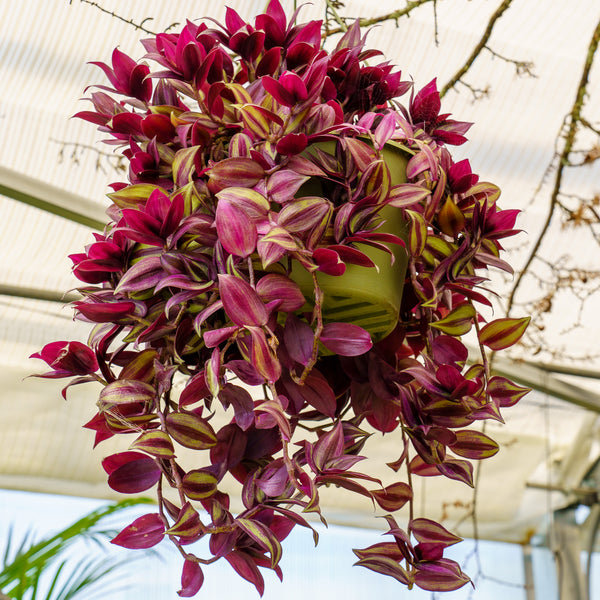
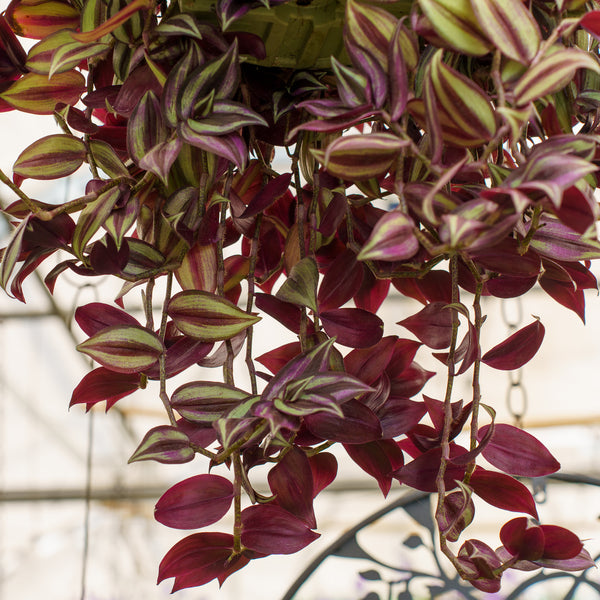

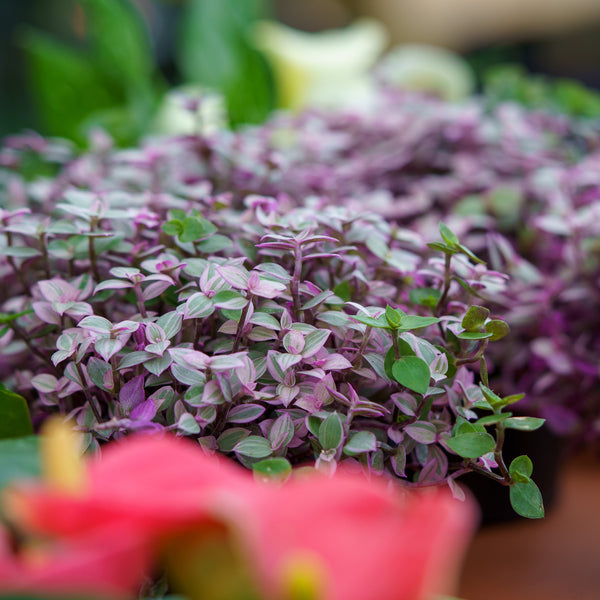



Spiderwort (Tradescantia spp.)
Spiderwort is a tough, easy perennial group that brings quick color and a relaxed, cottage-garden feel to borders, meadows, and naturalized plantings. The three-petaled flowers pop in the morning and add a fresh, lively look when many beds are shifting from spring into summer. Clumps fill in fast, helping you cover ground and soften edges without a lot of maintenance. It is also a flexible choice for mixed plantings because it adapts to a range of soils and light levels when moisture is reasonable.
Distinctive Features
Tradescantia species typically form grassy, arching foliage with upright stems that carry clusters of blooms in shades of blue to violet, with some species and selections also showing pink, purple, or white. Flowers are short-lived but produced in succession, so a planting can keep color going for weeks. Many types handle heat by slowing down after peak bloom, and a midseason cutback often refreshes foliage and can encourage another flush of flowers later. Depending on the species, plants may spread by clumping, short rhizomes, or self-seeding, creating a fuller patch over time.
Growing Conditions
- Sun: Full sun to part shade, with afternoon shade helpful in hotter sites for cleaner foliage.
- Soil: Average to rich, well-drained soil, with best performance in soils that hold consistent moisture.
- Water: Medium water, with additional watering during dry spells to reduce stress and leaf decline.
- USDA Zones: Varies by species, with many hardy garden types in zones 4 to 9 and tender types grown as annuals or houseplants in colder areas.
- Mature Size: Varies by species, commonly about 12 to 36 inches tall and 12 to 24 inches wide.
Ideal Uses
- Focal Point: Plant a bold drift in a sunny to lightly shaded border so the morning blooms create a clear seasonal highlight.
- Naturalized Areas: Use in meadow-style plantings where clumps can repeat and tie perennials and grasses together.
- Pollinator Beds: Include in mixed perennial beds to add an easy nectar stop during late spring to summer.
- Rain Gardens: Choose moisture-tolerant species for spots that stay evenly damp but still drain between rains.
- Mixed Borders: Pair with coneflowers, black-eyed Susans, ornamental grasses, and salvias for a low-fuss, high-impact look.
- Cutback Plantings: Use where a midseason trim is acceptable, such as informal borders and mass plantings.
Low Maintenance Care
- Pruning: Cut stems back after the main bloom to refresh foliage and often encourage a later flush of flowers.
- Deadheading: Remove spent flower clusters if you want a tidier look and reduced self-seeding.
- Watering: Water during extended drought to keep clumps vigorous and minimize summer decline.
- Division: Divide clumps every few years to control spread and keep plants blooming strongly.
- Support: Avoid overly rich feeding that can cause flopping, and use nearby plants as natural support if needed.
Why Choose Spiderwort?
- Easy Color: Reliable bloom during the spring to summer transition fills a common gap in perennial borders.
- Fast Fill: Clumps expand to cover ground and soften bed lines with minimal effort.
- Adaptable: Performs in a wide range of garden soils and sun levels when moisture is not extreme.
- Cutback Friendly: Responds well to trimming, which helps keep plantings looking fresh and often boosts rebloom.
- Pollinator Value: Flowers support visiting pollinators and add movement and life to mixed beds.
If you want a perennial that is easy to grow and generous with color, Spiderwort is a practical choice. Give it consistent moisture, trim it back when it looks tired, and it will settle into a dependable rhythm year after year. Use it in repeating groups for the best effect, and let its relaxed habit blend your planting together.

Plant Detectives Shipping Guide
Nationwide plant shipping made easy. Learn how we ship trees, shrubs, annuals and perennials. No order too big or too small. Fast, careful, and contractor-friendly.

OUR SIZING
Not sure what 2 inch B&B or 30 Gallon Clump really means? This guide breaks down all our plant size terms so you know exactly what to expect, whether you're ordering online or picking up at our nursery. From caliper measurements to container volumes, we've decoded our system to help you shop with confidence.