
Maryland Goldenaster
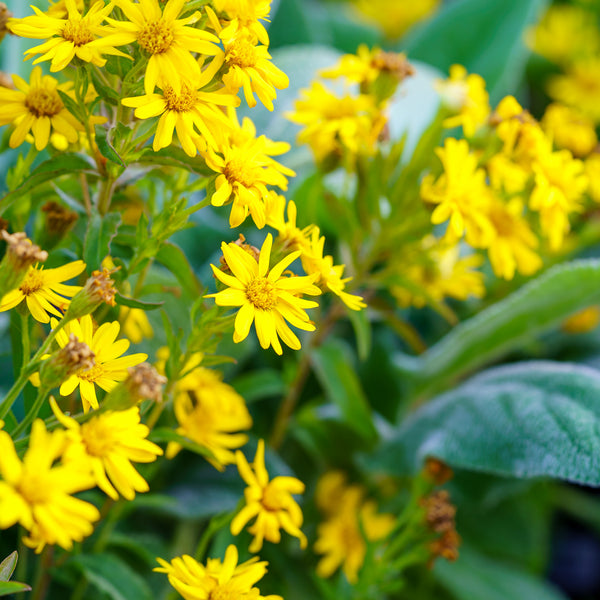
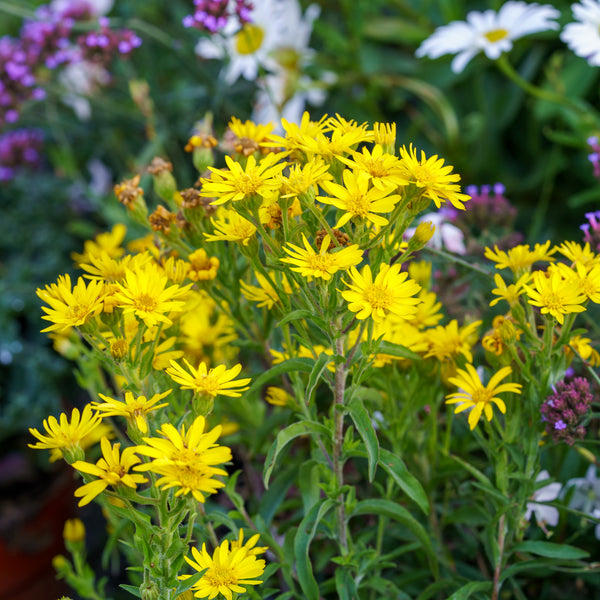
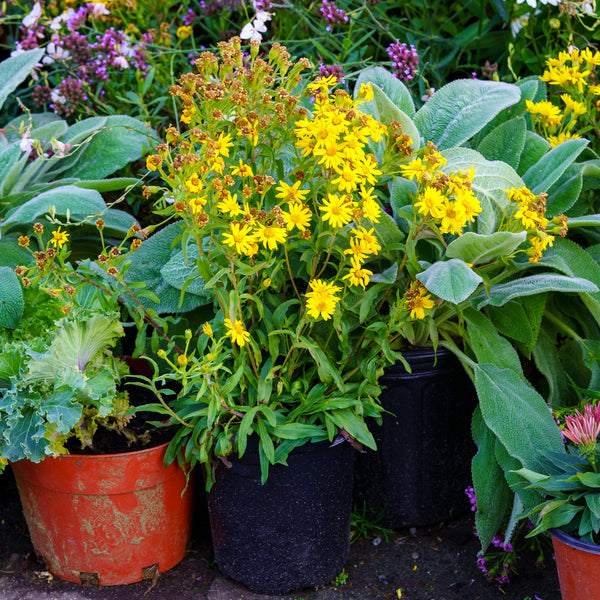


Maryland Goldenaster (Chrysopsis mariana)
Maryland Goldenaster is a native perennial that turns late summer into a bright, golden finish when many borders start to slow down. It brings cheerful yellow, daisy-like flowers in clusters, adding clean color that pairs easily with grasses and fall bloomers. The clumping habit stays tidy and garden-friendly, making it easy to repeat for a natural look that still feels designed. If you have a sunny spot with good drainage, this is a reliable way to add pollinator energy and strong seasonal interest with simple care.
Distinctive Features
This plant forms an upright, clumping perennial with silky, somewhat woolly stems and green foliage, then tops itself with clusters of bright yellow, daisy-like flowers from late summer into mid fall. The blooms read as crisp and cheerful, and they are especially effective in drifts where the color becomes a band across the border. It is very drought tolerant once established and is typically happiest in well-drained, sandy soils. It can be short-lived, but it often maintains its presence by reseeding in the right conditions.
Growing Conditions
- Sun: Full sun to partial shade, with best flowering in full sun.
- Soil: Well-drained soil, especially sandy or lean soils, and avoid persistently soggy ground.
- Water: Low to medium, water to establish, then water occasionally during prolonged drought.
- USDA Zones: 4 to 9.
- Mature Size: About 12 to 24 inches tall and 12 to 24 inches wide.
- Notable Traits: Late-season bloom, strong pollinator value, and generally deer resistant.
Ideal Uses
- Focal Point: Plant a bold drift so the late-season yellow bloom becomes a focal point that carries the border from August into fall.
- Native Meadows: Mix with warm-season grasses for a natural planting that stays bright late in the year.
- Sunny Borders: Use in the mid-border for upright structure and a clean seasonal color lift.
- Dry Garden Beds: Plant in well-drained, lean areas where drought tolerance matters.
- Pollinator Plantings: Add where bees and butterflies can work the blooms through late summer and fall.
Low Maintenance Care
- Watering: Water regularly the first season, then reduce and let the plant rely on rainfall in most weeks.
- Deadheading: Remove spent flowers if you want a tidier look, or leave some seed heads if you want natural reseeding.
- Soil Management: Keep fertility moderate, because rich soil can push softer growth.
- Cutback: Cut stems back in late fall or late winter before new growth begins.
- Site Selection: Prioritize drainage, especially in winter, to support longevity and reduce stress.
Why Choose Maryland Goldenaster?
- Late-Season Color: Bright yellow flowers bloom from late summer into mid fall when many gardens need a lift.
- Native Toughness: Handles heat and dry conditions well once established in well-drained soil.
- Pollinator Value: Supports bees and butterflies during a key late-season window.
- Tidy Clumping Habit: Upright growth fits borders and meadow designs without feeling unruly.
- Easy Pairing: Golden flowers complement ornamental grasses and purple-blue fall companions for a cohesive look.
If you want a dependable late-season performer for sun and drainage, Maryland Goldenaster is a smart choice. Give it a well-drained site and a solid first season of watering, then let it settle into a low-fuss rhythm. Repeating it in groups is the easiest way to make the golden bloom feel intentional and designed across the landscape.

Plant Detectives Shipping Guide
Nationwide plant shipping made easy. Learn how we ship trees, shrubs, annuals and perennials. No order too big or too small. Fast, careful, and contractor-friendly.

OUR SIZING
Not sure what 2 inch B&B or 30 Gallon Clump really means? This guide breaks down all our plant size terms so you know exactly what to expect, whether you're ordering online or picking up at our nursery. From caliper measurements to container volumes, we've decoded our system to help you shop with confidence.