
Betty Magnolia


Betty Magnolia (Magnolia 'Betty')
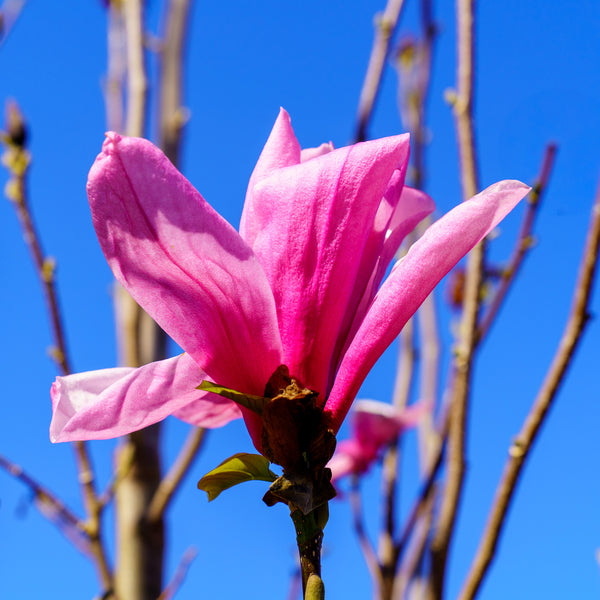
Betty Magnolia, Magnolia 'Betty', is a compact, late blooming magnolia that loads its branches with large, reddish purple, tulip shaped flowers just as many spring shrubs are coming into color. This deciduous shrub or small tree forms a rounded, multi stemmed outline with rich green foliage that follows the bloom, making it easy to tuck near patios, entries, or mixed borders where you want a dependable, small scale focal point. Because it flowers a bit later than many traditional magnolias, Betty often avoids late frosts, bringing reliable color and strong seasonal interest to modest sized gardens, foundation plantings, and front yard beds.
Distinctive Features
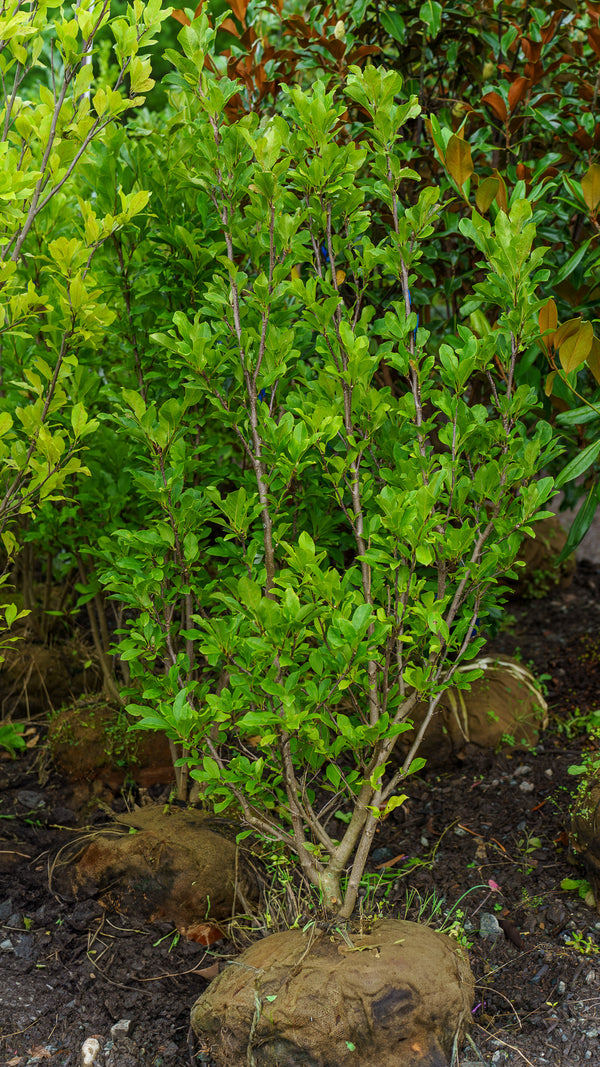
Betty Magnolia typically grows about 10 to 15 feet tall and 8 to 12 feet wide, forming a dense, upright oval to rounded habit that can be maintained as a large shrub or trained into a small, multi trunk tree. In mid to late spring, before or just as the leaves emerge, the branches are capped by tapered buds that open into broad, tulip like flowers that are reddish purple to rose on the outside and lighter inside. The blooms have a soft fragrance and can be followed by scattered repeat flowers later in the season in favorable conditions. After flowering, the plant carries full, medium green leaves that create a leafy backdrop for summer perennials and a pleasant sense of enclosure around walkways and seating areas.
Growing Conditions
- Light: Performs best in full sun to light partial shade, with several hours of direct light each day for the heaviest bloom; light afternoon shade is helpful in hotter climates.
- Soil: Prefers well drained, slightly acidic to neutral soil enriched with organic matter; avoid very heavy, compacted, or poorly drained sites where water lingers around the roots.
- Water: Water regularly during the first few seasons to establish a deep, even root system; once established, provide deep, occasional soakings during extended dry spells rather than frequent light sprinklings.
- Climate: Well suited to many temperate regions with cold winters and warm summers; planting in a spot sheltered from harsh, drying winds helps protect buds, flowers, and foliage.
- Size: Generally matures around 10 to 15 feet tall and 8 to 12 feet wide, depending on climate, soil quality, and pruning practices.
- Growth Rate: Moderate grower that fills in steadily, often becoming a nicely proportioned specimen or screen within several years of planting.
Ideal Uses
- Foundation and Entry Accents: Plant near the front corner of a house, along front walks, or beside a porch to frame entries with spring bloom and full summer foliage.
- Small Garden Specimen: Use as a single specimen in modest sized yards where a full size magnolia would be overwhelming but you still want a showy spring flowering tree.
- Mixed Shrub Borders: Combine with flowering shrubs, evergreen backdrops, and ornamental grasses to create layered borders that provide structure and color from spring through fall.
- Patio and Seating Area Backdrop: Position just beyond decks, patios, or garden benches so flowers and foliage can be enjoyed at eye level from outdoor living areas.
- Cottage and Front Yard Plantings: Blend into informal beds with bulbs, perennials, and small shrubs where Betty provides height, seasonal drama, and a welcoming street side presence.
Low Maintenance Care
- Watering: Keep soil consistently moist but not waterlogged while plants establish; afterward, water deeply during dry periods, allowing the upper soil to dry slightly between soakings.
- Pruning: Requires minimal pruning; if shaping is needed, prune lightly just after flowering by removing crossing, damaged, or crowded branches, avoiding heavy cuts that can reduce the next year of bloom.
- Fertilizing: In early spring, apply a light layer of compost or a balanced, slow release fertilizer formulated for trees and shrubs if soil is lean; do not over fertilize, as this can push excessive foliage at the expense of flowers.
- Mulching: Spread a two to three inch layer of organic mulch over the root zone, keeping it a few inches back from the trunk to conserve moisture, moderate soil temperatures, and suppress weeds.
- Seasonal Care: In colder regions, avoid low frost pockets where cold air settles; siting Betty where buds are less exposed to late freezes will help preserve flower display year after year.
Why Choose Betty Magnolia?
- Late Season Bloom: Flowers later than many magnolias, which can help reduce the risk of frost damage to buds and extend the spring show.
- Rich Flower Color: Deep reddish purple, tulip shaped blooms stand out beautifully against bare branches and spring skies.
- Compact, Manageable Size: Smaller stature fits comfortably into foundation beds, side yards, and smaller landscapes where space is limited.
- Season Long Interest: Showy spring bloom is followed by a full canopy of green leaves that provide shade, screening, and structure through summer.
- Versatile Focal Point: Whether used as a single specimen, paired at an entry, or anchored in a mixed border, Betty Magnolia offers reliable bloom, comfortable scale, and a natural focal point that ties the surrounding landscape together.
With its richly colored spring flowers, compact form, and easygoing care, Betty Magnolia is an excellent choice for homeowners and designers looking to add long lasting seasonal color, structure, and a welcoming focal point to sunny foundation plantings, mixed borders, and small garden spaces.

Plant Detectives Shipping Guide
Nationwide plant shipping made easy. Learn how we ship trees, shrubs, annuals and perennials. No order too big or too small. Fast, careful, and contractor-friendly.

OUR SIZING
Not sure what 2 inch B&B or 30 Gallon Clump really means? This guide breaks down all our plant size terms so you know exactly what to expect, whether you're ordering online or picking up at our nursery. From caliper measurements to container volumes, we've decoded our system to help you shop with confidence.