
Miss Ellen Willmott Lilac


Miss Ellen Willmott Lilac (Syringa vulgaris 'Miss Ellen Willmott')
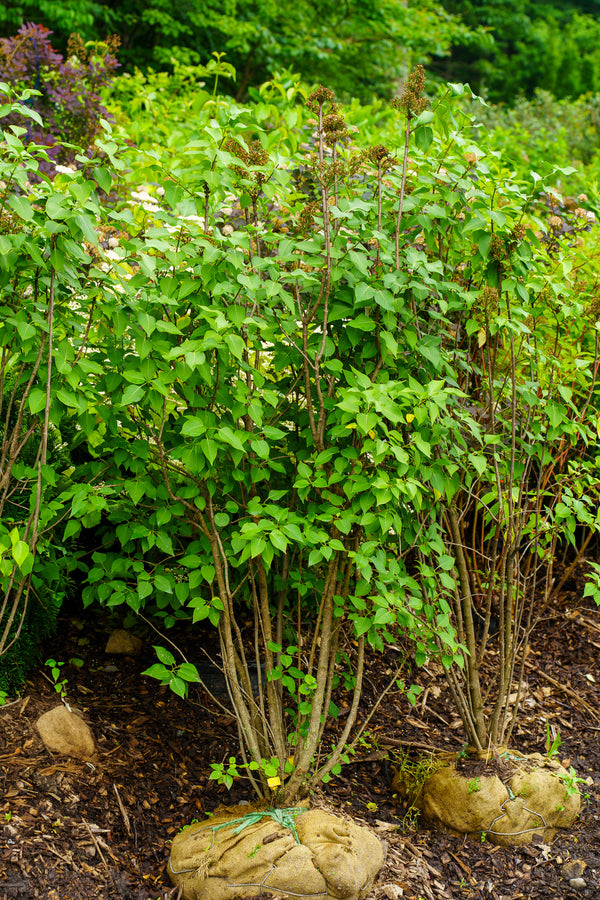
Miss Ellen Willmott Lilac, Syringa vulgaris 'Miss Ellen Willmott', is an elegant French hybrid lilac prized for its large, pure white flower clusters and strong, classic fragrance on a substantial upright shrub. In mid to late spring, buds open to luminous white blooms gathered into long, conical panicles that glow in morning and evening light and stand out clearly against fresh green foliage. The tall, multi stemmed habit gives real presence in the landscape, turning this lilac into a seasonal focal point along property lines, at the back of borders, or near patios and paths where its bright flowers and sweet scent can be enjoyed up close.
Distinctive Features
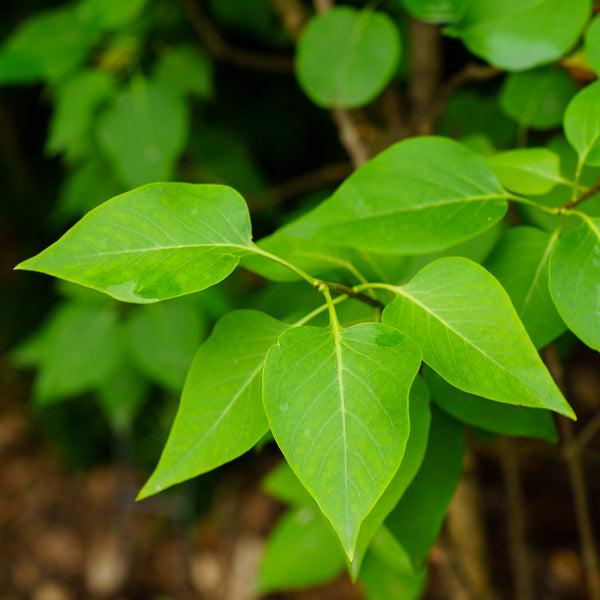
Miss Ellen Willmott Lilac typically grows about 8 to 12 feet tall and 6 to 8 feet wide, forming an upright, rounded shrub on multiple trunks. Flower trusses are large and showy, packed with white florets that read as crisp, clean color from a distance and add a soft, romantic texture up close. The fragrance is rich and sweet in the traditional lilac style, especially noticeable on cool mornings and evenings when the air is still. Heart shaped green leaves emerge with the spring growth and remain attractive through summer, giving the plant strong structure and a leafy backdrop for perennials and smaller shrubs once the main bloom has passed. The combination of pure white flowers, strong scent, and sturdy framework makes this variety a natural choice wherever you want an uplifting, high impact spring feature.
Growing Conditions
- Light: Thrives in full sun with at least 6 hours of direct light daily for heavy flowering, strong stems, and reliable bud set.
- Soil: Prefers well drained, moderately fertile soil and performs best in neutral to slightly alkaline conditions, but adapts to most average garden soils that do not stay wet or waterlogged.
- Water: Water regularly during the first few seasons to establish a deep root system; once established, provide occasional deep soakings during extended dry periods rather than frequent light watering.
- Hardiness: Well suited to cold winter regions where lilacs traditionally perform, as long as drainage is good and roots are not sitting in saturated soil.
- Size: Forms a substantial shrub about 8 to 12 feet tall and 6 to 8 feet wide at maturity, depending on climate, soil, and pruning practices.
- Growth Rate: Moderate grower that builds its main framework over several years and then settles into a steady pattern of spring bloom and summer foliage.
Ideal Uses
- Spring Feature Plant: Site near patios, decks, or front walks where the pure white flower clusters and fragrance can be appreciated at close range.
- Informal Screens and Hedges: Plant in a loose row or staggered grouping to create a seasonal privacy screen that flowers in spring and stays leafy through summer.
- Mixed Shrub Borders: Combine with viburnums, hydrangeas, spireas, and evergreens to build layered borders with strong structure and changing color throughout the year.
- Cottage and Homestead Gardens: Pair with peonies, irises, roses, and other traditional perennials for a nostalgic, country garden look with strong spring scent.
- Cut Flower Gardens: Grow near cutting beds so you can easily harvest long, blossom filled stems that look bright and elegant in simple vases indoors.
Low Maintenance Care
- Watering: After establishment, water during hot or very dry weather with deep, occasional soakings to keep roots hydrated without saturating the soil.
- Pruning: Prune just after flowering by removing spent flower clusters and thinning a few of the oldest stems at ground level to encourage vigorous new shoots and maintain a balanced shape; avoid heavy pruning in late summer or fall, which can reduce the next year's bloom.
- Fertilizing: In early spring, apply a light dose of balanced, slow release fertilizer or a layer of compost if soil is lean; avoid heavy nitrogen that pushes leafy growth at the expense of flowers.
- Mulching: Maintain a 2 to 3 inch layer of organic mulch around the base to conserve moisture and moderate soil temperature, keeping mulch a few inches away from the main stems.
- Seasonal Care: Remove any dead, damaged, or crossing branches in late winter or right after bloom, and monitor for suckers, keeping them for a fuller clump or removing them to maintain a narrower outline.
Why Choose Miss Ellen Willmott Lilac?
- Pure White Blooms: Large, bright white flower clusters add light and contrast to spring borders and mix easily with any color scheme.
- Classic Lilac Fragrance: Strong, sweet perfume turns paths, patios, and open windows into richly scented spring experiences.
- Timeless Garden Style: Traditional form and clean bloom color make this lilac a natural fit for cottage, farmhouse, and heritage inspired landscapes.
- Excellent for Cutting: Long, flower laden stems are ideal for fresh spring arrangements and simple bouquets indoors.
- Reliable Focal Point: With good sun, drainage, and timely pruning, Miss Ellen Willmott Lilac returns year after year as a durable source of light, scent, and structure in sunny borders, informal screens, and classic mixed shrub plantings.
With its bright white flower trusses, strong fragrance, and substantial upright habit, Miss Ellen Willmott Lilac is an excellent choice for adding a standout spring focal point, fragrant cut flowers, and long lasting structure to sunny gardens and outdoor living spaces.

Plant Detectives Shipping Guide
Nationwide plant shipping made easy. Learn how we ship trees, shrubs, annuals and perennials. No order too big or too small. Fast, careful, and contractor-friendly.

OUR SIZING
Not sure what 2 inch B&B or 30 Gallon Clump really means? This guide breaks down all our plant size terms so you know exactly what to expect, whether you're ordering online or picking up at our nursery. From caliper measurements to container volumes, we've decoded our system to help you shop with confidence.