
African Daisy
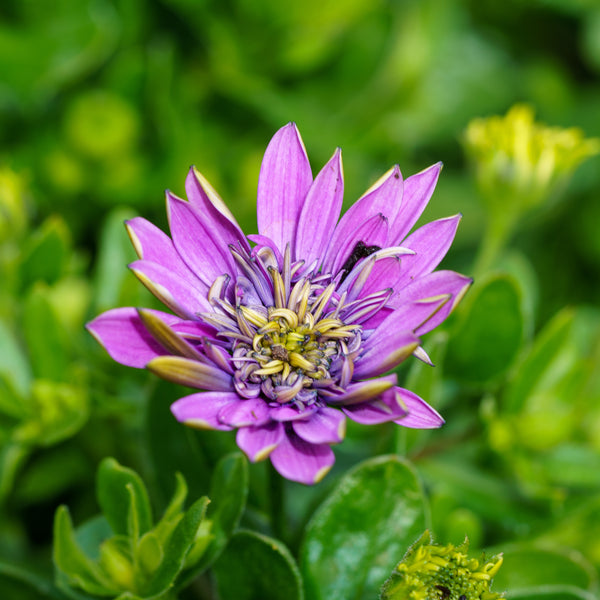
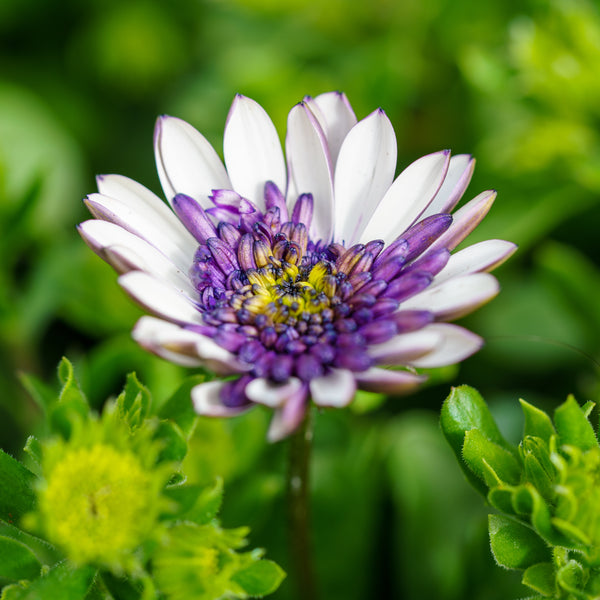



African Daisy (Osteospermum spp.)
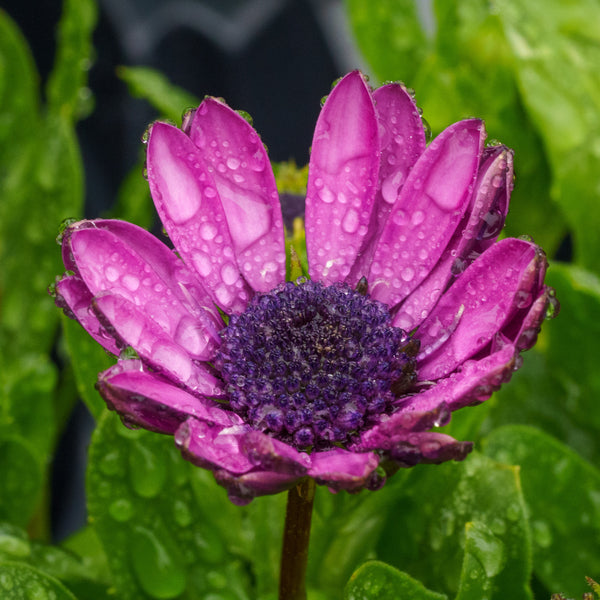
African Daisy is a sun-loving annual that keeps beds and containers bright with cheerful, daisy-style blooms for a long stretch of the season. Its compact, mounded habit fills space neatly, so plantings look finished without a lot of effort. Many types open their flowers in sunshine and close them at night or during cloudy weather, which gives the display a lively, responsive feel. If you want steady color that thrives in warm weather and looks crisp along edges, African Daisy is an easy fit.
Distinctive Features
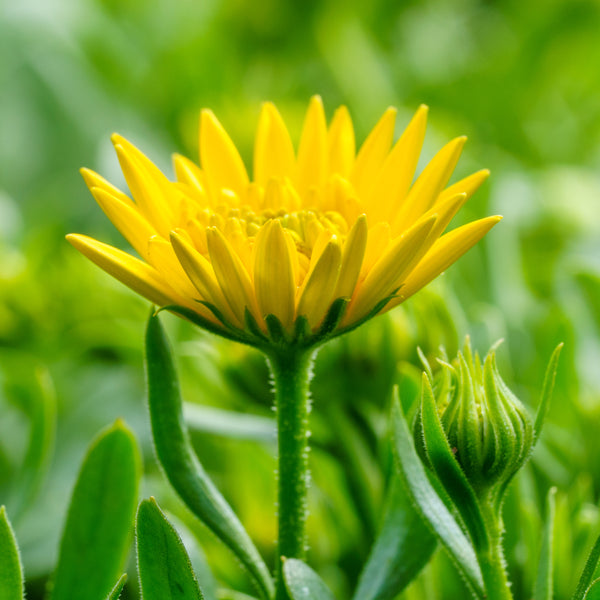
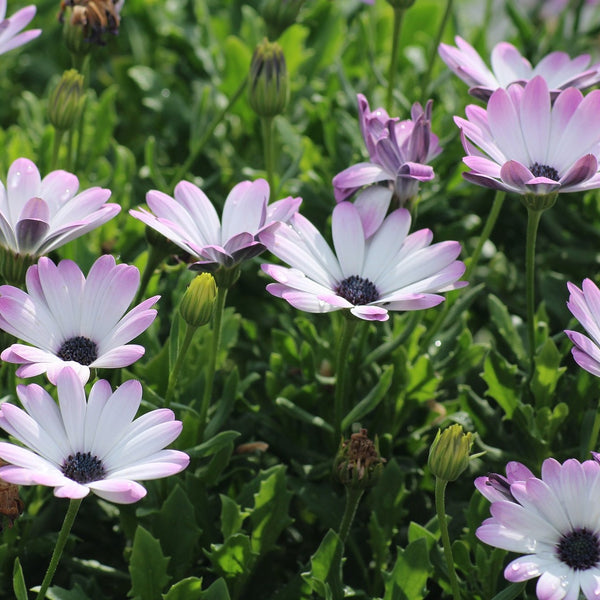
Osteospermum forms a dense mound of narrow, green to gray-green foliage topped with brightly colored flowers that often feature a contrasting center. Bloom color varies widely by selection, including white, yellow, orange, pink, and purple, with many bicolors available. Plants typically flower best in cooler stretches of the growing season and can slow down during intense heat, then rebound when temperatures moderate. In frost-free climates, some types can be short-lived perennials, but they are most commonly grown as warm-season annuals for long, reliable bloom.
Growing Conditions
- Sun: Full sun for best flowering and compact growth, with light afternoon shade helpful in hotter climates.
- Soil: Well-drained soil with moderate fertility, and avoid persistently wet conditions.
- Water: Moderate moisture, water to establish then allow slight drying between waterings, especially in containers.
- USDA Zones: Commonly grown as an annual in Zones 2 to 11, and may overwinter outdoors in frost-free areas around Zones 10 to 11.
- Mature Size: Typically 8 to 18 inches tall and 12 to 24 inches wide, depending on variety and growing conditions.
- Habit: Compact, mounding to spreading, with a tidy edge and continuous bud set in good weather.
- Bloom Season: Spring through fall in many regions, often strongest in spring and fall where summers are very hot.
Ideal Uses
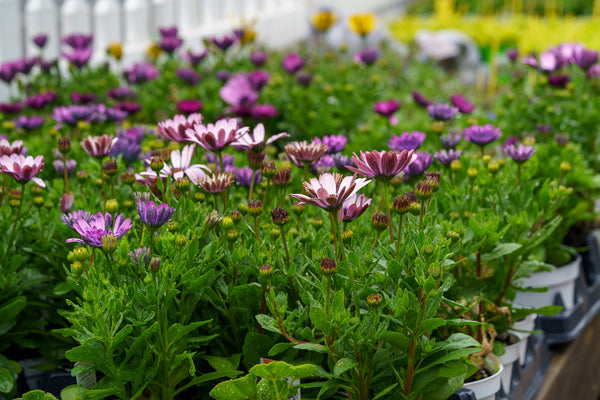
- Focal Point: Use it as a focal point in a sunny container or bed where a tight mound of blooms can carry color for months.
- Edging: Line paths and front borders for a clean band of color with a neat, low profile.
- Containers: Plant in pots and window boxes for reliable bloom and a balanced, mounded shape.
- Mass Planting: Group in drifts for a cohesive color block that reads clearly from a distance.
- Rock Gardens: Use in well-drained, sunny spots where compact growth and bright flowers add quick impact.
Low Maintenance Care
- Deadheading: Remove spent flowers to encourage continued bloom and keep plants looking tidy.
- Watering: Water at the base and avoid waterlogged soil, since consistently wet roots can cause decline.
- Feeding: Feed lightly during the growing season, especially in containers, to support continuous flowering.
- Heat Management: In very hot weather, provide consistent moisture and light afternoon shade to help plants keep blooming.
- Pinching: Pinch young growth once or twice to encourage fuller branching and more flowers.
Why Choose African Daisy?
- Long Color Window: Blooms for an extended season with simple upkeep.
- Sun Performance: Thrives in bright exposures where many flowering plants struggle.
- Tidy Habit: Compact, mounded growth keeps borders and containers looking finished.
- Color Range: Wide variety of bloom colors makes it easy to match any planting palette.
- Easy Versatility: Works equally well in beds, edging, and containers for quick, reliable impact.
African Daisy performs best in full sun with well-drained soil and a watering routine that avoids soggy roots. Deadheading and light feeding help keep flowers coming, especially in containers. If summer heat slows bloom, keep plants healthy and they often rebound strongly when temperatures ease.

Plant Detectives Shipping Guide
Nationwide plant shipping made easy. Learn how we ship trees, shrubs, annuals and perennials. No order too big or too small. Fast, careful, and contractor-friendly.

OUR SIZING
Not sure what 2 inch B&B or 30 Gallon Clump really means? This guide breaks down all our plant size terms so you know exactly what to expect, whether you're ordering online or picking up at our nursery. From caliper measurements to container volumes, we've decoded our system to help you shop with confidence.