
Common Sneezeweed
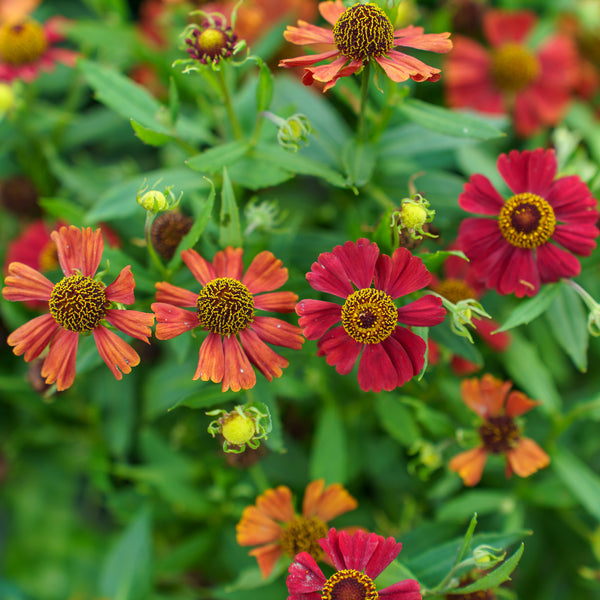
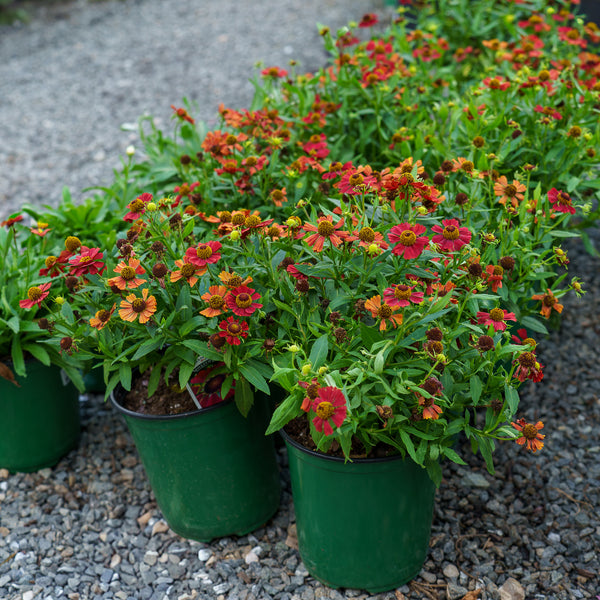


Common Sneezeweed (Helenium autumnale)
Common Sneezeweed brings late-season sunshine to the garden with a long run of golden daisy flowers that keep borders lively when summer perennials start to fade. Its upright, branching stems create a full, natural look that mixes easily with grasses and other fall bloomers. This is a great choice for beds that stay consistently moist, where it grows stronger and flowers more generously. If you want dependable color and pollinator activity from late summer into fall, this native perennial delivers.
Distinctive Features
Common Sneezeweed forms sturdy, upright clumps with branching stems topped by clusters of daisy-like blooms featuring bright yellow rays and prominent yellow to dull yellow center disks. Bloom typically runs from August to October, creating a strong fall presence and a reliable nectar source. The foliage is lance-shaped and medium to dark green, supporting a tall, vertical habit that adds structure without feeling heavy. Mature size is typically about 3 to 5 feet tall and 2 to 3 feet wide.
Growing Conditions
- Sun: Full sun for the best flowering and the strongest, most upright stems.
- Soil: Moist to wet, well-drained to periodically wet soils, and it tolerates heavier soils when moisture is consistent.
- Water: Medium to wet, and avoid sites that dry out for extended periods.
- Zones: USDA Zones 3 to 8.
- Notable Traits: Late-season pollinator value, rain-garden friendly performance, and deer tolerance is often reported.
Ideal Uses
- Focal Point: Plant a generous drift as a focal point so the yellow blooms read as a clear fall highlight in a prime view.
- Rain Gardens: Use where soil stays moist or periodically wet, since the plant handles those conditions well.
- Back of Border: Place toward the back of sunny beds to add height and late-season color without blocking airflow.
- Naturalistic Plantings: Blend with ornamental grasses and other natives for a meadow-style look that stays strong into autumn.
Low Maintenance Care
- Pinching: Pinch stems back in early summer if you want a shorter, bushier plant with more branching and flowers.
- Watering: Keep soil consistently moist, especially during late summer when buds and blooms are forming.
- Deadheading: Remove spent flowers to keep plants tidy and encourage continued blooming.
- Cutback: Cut stems back in late fall or leave for winter structure, then cut back in early spring before new growth begins.
Why Choose Common Sneezeweed?
- Fall Color: Yellow daisy blooms from August to October keep the garden bright late in the season.
- Moist-Soil Strength: Thrives in consistently moist beds and rain-garden conditions where many perennials struggle.
- Pollinator Magnet: Flowers attract bees and butterflies, adding visible garden activity in late summer and fall.
- Big Border Presence: Typically reaches 3 to 5 feet tall and 2 to 3 feet wide for strong height and seasonal impact.
Common Sneezeweed looks best when planted in groups, letting the bloom color read as an intentional fall layer rather than scattered spots. Pair it with ornamental grasses and other late bloomers for a border that stays dynamic into cooler weather. Provide sun and steady moisture, and the stems will branch well and carry flowers for weeks. If you want a reliable, late-season workhorse with real landscape presence, this plant is a smart choice.

Plant Detectives Shipping Guide
Nationwide plant shipping made easy. Learn how we ship trees, shrubs, annuals and perennials. No order too big or too small. Fast, careful, and contractor-friendly.

OUR SIZING
Not sure what 2 inch B&B or 30 Gallon Clump really means? This guide breaks down all our plant size terms so you know exactly what to expect, whether you're ordering online or picking up at our nursery. From caliper measurements to container volumes, we've decoded our system to help you shop with confidence.